
Crypto Market Structure Legislation Delayed Until April, Says Senate Majority Leader: Report
According to reports, Senate Majority Leader John Thune indicated the legislative chamber will focus on passing the SAVE America Act first, pushing back consideration of bipartisan cryptocurrency market structure legislation.
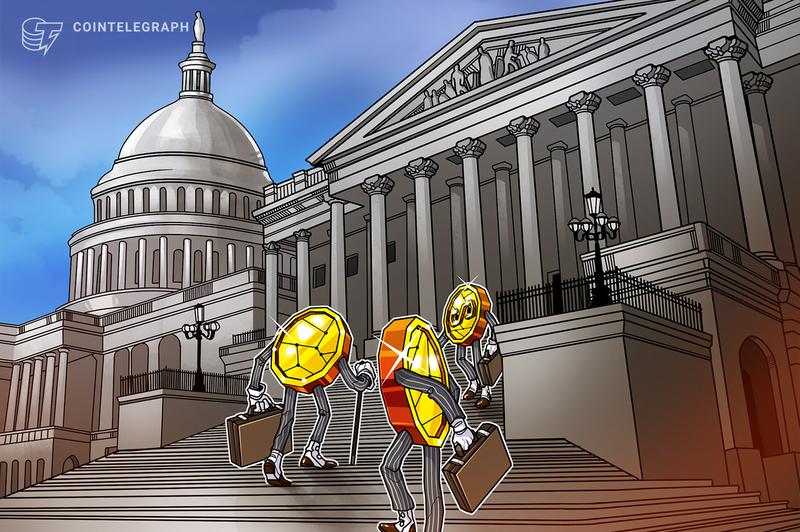
Senate Majority Leader John Thune has reportedly indicated that he does not anticipate the chamber advancing legislation aimed at establishing a regulatory framework for digital assets market structure until April at the earliest.
A report from Punchbowl News published on Thursday indicated that Thune stated the Senate's intention to give priority to casting votes on the SAVE America Act, proposed legislation that would mandate voters to present proof of United States citizenship when registering to vote in person.
During a Thursday briefing with reporters, the majority leader mentioned that the legislation would be presented to the chamber during the following week, noting that congressional members would shift their attention to the cryptocurrency market structure legislation and additional bipartisan measures following the completion of voting on the SAVE America Act.
"Market structure is a bill that's, I'm hoping, going to come out of the Banking Committee soon, probably not before, I would say, the April time period,"
said Thune, according to Punchbowl.
The comments from the majority leader appeared to contradict earlier statements made by Ohio Senator Bernie Moreno, who expressed hope during February that the market structure legislation would successfully navigate through Congress by the month of April. While the Senate Agriculture Committee has already moved forward its version of the proposed bill, the Senate Banking Committee delayed a markup session originally scheduled for January that would have been necessary to merge the legislation prior to bringing it to a floor vote.
In a related legislative development, the Senate cast votes on Thursday to incorporate an amendment into a housing-related bill known as the 21st Century Road to Housing Act, which would prohibit the United States Federal Reserve from creating or issuing a central bank digital currency, or CBDC. Should the legislation be approved and receive presidential signature to become law, the prohibition on CBDCs would stay in force through December 2030.
What's at stake in the market structure bill?
The proposed legislation, which was referred to as the CLARITY Act when it successfully passed through the House of Representatives in July, is anticipated to grant the United States Commodity Futures Trading Commission, the federal financial regulatory agency responsible for overseeing derivatives markets and commodities, expanded authority in regulating digital assets. Despite this, numerous senators have found themselves in disagreement regarding several key provisions contained within the bill, particularly those addressing tokenized equities, ethics considerations, and stablecoin yield mechanisms.
In the previous week, United States President Donald Trump made accusations that banks were holding the legislation "hostage," expressing this criticism through posts on his social media platforms. While the White House has facilitated three separate meetings bringing together representatives from the cryptocurrency industry and the banking sector, as of Thursday it remained uncertain whether policymakers had successfully reached any form of consensus or agreement that would enable the market structure bill to move forward in the legislative process.