
Vietnam's Crypto Licensing Race Heats Up With Five Contenders as Foreign Platform Restrictions Approach
A group of five firms, comprising banking sector affiliates and a prominent business conglomerate, are in the running to secure Vietnam's inaugural cryptocurrency exchange licenses while regulators prepare to limit access to international platforms.

A total of five Vietnamese firms are said to be in competition to establish the nation's inaugural government-approved cryptocurrency exchanges, according to reports, as regulatory bodies work toward relocating trading activities domestically and prohibiting foreign platform operations.
The quintet of companies has successfully navigated an initial qualification stage, as reported by Reuters on Tuesday, referencing a finance ministry document dated March 12. According to reports, the contenders include entities connected to private banking institutions Techcombank, VPBank and LPBank, as well as stockbroker VIX Securities and the business conglomerate Sun Group. Both VPBank and Sun Group have reportedly verified their submissions for licensing to Reuters.
The Southeast Asian nation began accepting applications for cryptocurrency exchange operating licenses in January. This initiative followed new regulatory procedures established by the finance ministry and legislation that officially recognizes crypto assets as property for the first time, while continuing to prohibit their usage as legal tender or for payment purposes.
The country has established itself as a significant center for cryptocurrency trading activity, securing fourth position worldwide in Chainalysis' most recent Global Crypto Adoption Index with an estimated $200 billion worth of transactions conducted during the 12-month period ending in June. Nevertheless, despite this substantial level of activity, the majority of traders continue to depend on international exchanges including Binance, OKX and Bybit for market access.
Vietnam to ban overseas crypto platforms
Regulatory authorities are simultaneously working on regulations that may prevent Vietnamese citizens from accessing foreign platforms, according to reports. Reuters indicates that government officials have expressed concerns regarding the increasing utilization of cryptocurrency and stablecoins, especially as it pertains to capital outflows from the nation.
Vietnam initiated a five-year cryptocurrency pilot program in September 2025, implementing stringent regulations that mandate all transactions be executed in Vietnamese dong and restrict issuance privileges to companies registered within the country. The regulatory framework additionally prohibits fiat-backed assets such as stablecoins, permitting only cryptocurrencies supported by tangible, non-financial assets.
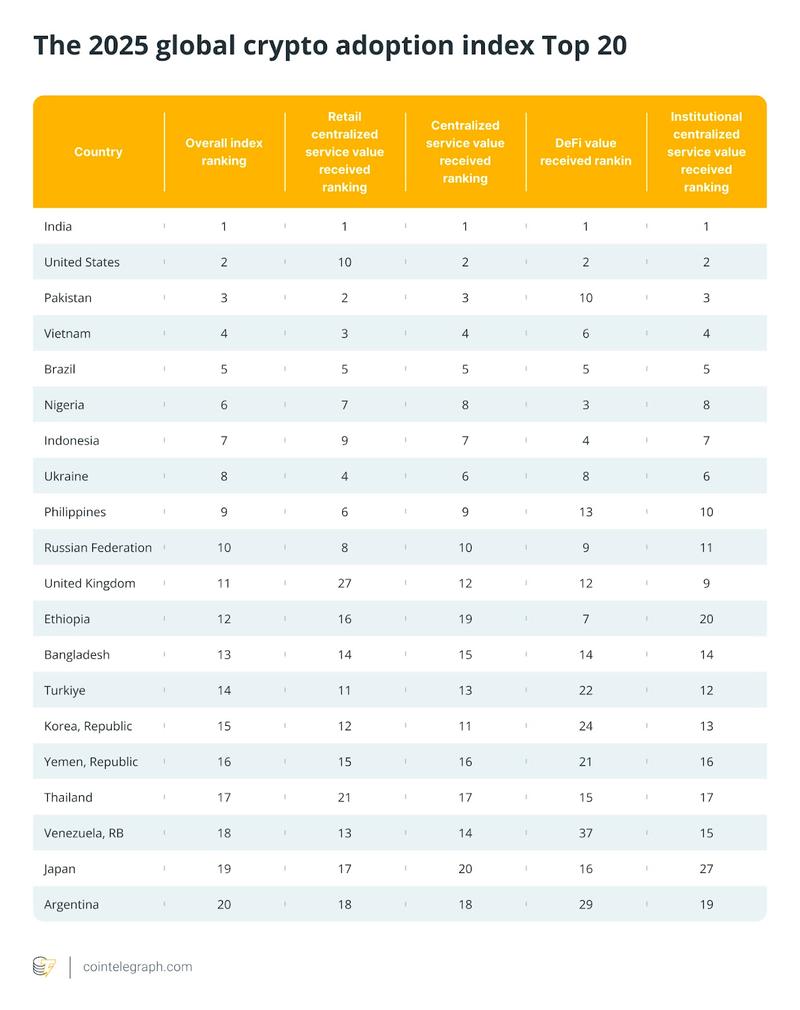
Due to the demanding entry requirements, which include substantial capital prerequisites of approximately $379 million, the nation's Ministry of Finance announced that zero companies had submitted applications for its digital asset trading pilot program by October.
Cointelegraph contacted Techcombank, VPBank and LPBank, VIX Securities and Sun Group requesting comment, but no response had been received at the time of publication.
Vietnam to tax crypto similar to stocks
During February, Vietnamese authorities developed a taxation framework for cryptocurrency transactions that would handle digital assets in a manner comparable to securities trading. According to the proposal, individual users would be subject to a 0.1% tax on every crypto transaction executed through authorized providers, while such transfers would continue to be excluded from value-added tax obligations.
Different rules would apply for corporate entities, with institutional investors subject to a 20% corporate income tax rate on gains generated from cryptocurrency trading activities, calculated after deducting costs and expenses.