
Legacy FX infrastructure faces stablecoin disruption as exit bottlenecks persist
Digital currencies pegged to fiat are proving to be more cost-effective than traditional foreign exchange systems, though challenges with converting to traditional banking continue to cause friction, Delphi Digital reports.

The use of stablecoins is expanding in expensive cross-border payment routes within developing nations as these digital assets help address inefficiencies present in traditional foreign exchange (FX) systems, research firm Delphi Digital has found.
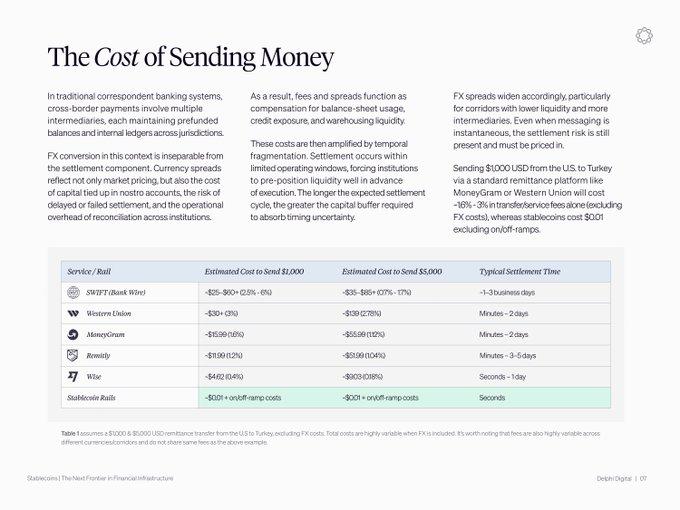
Digital dollar-pegged currencies are becoming the most cost-effective method for moving US dollars throughout developing economies, driven by the expensive nature of traditional FX payment channels, where combined transaction fees can climb as high as 8% for transfers to countries like Argentina or Nigeria.
In a Monday post shared on X, Delphi revealed that 81% of expenses in these payment corridors stem from maintaining the underlying banking systems, a factor the firm suggests provides stablecoin infrastructure with an inherent competitive edge.
Stablecoin rails eliminate most of what makes these corridors expensive to operate.
"Settlement is atomic, so pre-funded liquidity sitting idle in local currencies is no longer necessary," the research firm explained, noting that minimum volume requirements and chains of intermediaries also become unnecessary since stablecoins settle transactions directly in US dollars.
The forecast from Delphi underscores the tangible effects of stablecoins across emerging economies, where residents leverage them to reduce remittance expenses to mere cents or execute immediate transfers, circumventing traditional banking networks.
Exit points continue to impede stablecoin widespread use
Exit mechanisms, including access to traditional bank accounts or interbank payment systems, continue to represent a major bottleneck when transferring value between blockchain-based and conventional financial systems, the firm noted.
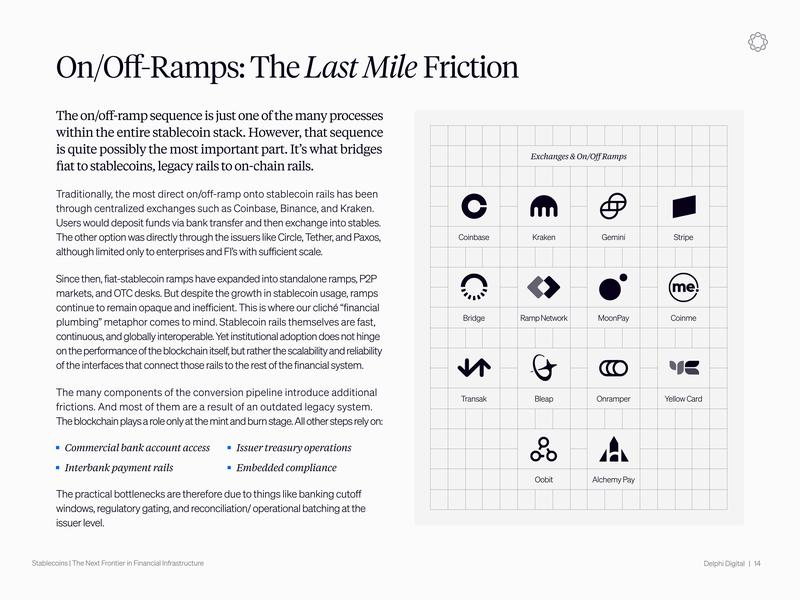
The majority of operational "friction" exists beyond the blockchain layer, according to their analysis. Although the creation and redemption of stablecoins complete within seconds, traditional bank wire transfers that feed these platforms introduce considerable delays caused by their batch processing timetables.
Closing the gap is as much a regulatory problem as a technical one.
Delphi further stated that while stablecoins will not immediately displace the primary FX payment routes, they are poised to transform corridors in developing markets where "infrastructure costs dwarf currency risk and banks have largely given up on competing."
Growth in stablecoin circulation continues amid declining digital asset prices
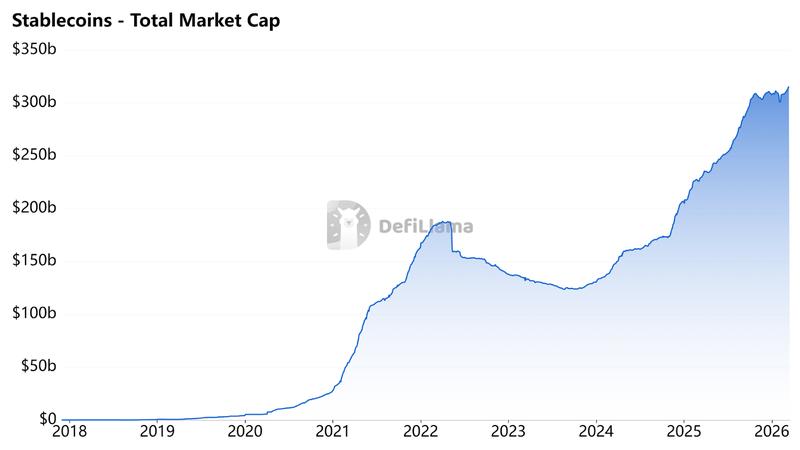
Even as cryptocurrency prices decline, the total stablecoin market capitalization increased 2.5% over the last month, climbing from $308 billion on Feb. 17 to $316 billion by Tuesday, data from DeFiLlama shows.
According to Delphi, developing economies represent one of the most evident drivers of stablecoin usage, especially in regions where individuals require more affordable access to dollar-denominated assets and international money transfers.
Financial institutions are maintaining their investment momentum in stablecoin payment infrastructure. This Tuesday, Dtcpay, a Singapore-headquartered digital payments firm, secured $10 million through a Series A funding round spearheaded by Vertex Ventures Southeast Asia & India, with plans to accelerate the growth of its regulatory-compliant stablecoin payment platform.