UK Should Blend EU MiCA Framework with US Stablecoin Legislation, Says Circle Executive
Dante Disparte of Circle presented to a House of Lords committee on Wednesday, suggesting Britain has a distinctive chance to combine elements from both the EU's MiCA regulations and the US GENIUS Act into its stablecoin framework.

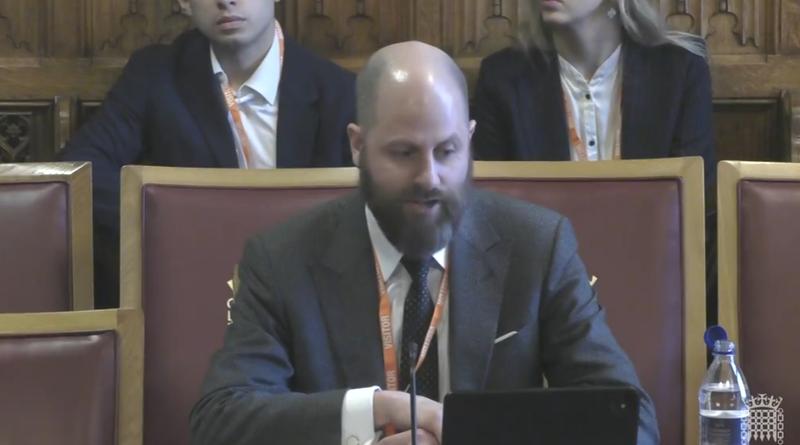
During testimony before a United Kingdom House of Lords committee, Dante Disparte, Circle's chief policy officer, outlined how Britain could construct its cryptocurrency regulatory system by blending the precise regulatory clarity found in the European Union's Markets in Crypto-Assets Regulation (MiCA) with components from the United States' recently enacted stablecoin legislation.
"The model is clear: take the best of both and make it distinctly British," Disparte said during a Wednesday meeting of the House of Lords Financial Services Regulation Committee. "From Europe, take clarity, definitions, licensing, governance and strong consumer protection from the US and the landmark Genius Act."
According to Disparte, failing to establish a regulatory framework will drive stablecoin operations to foreign jurisdictions, which would leave British consumers facing greater risks while threatening London's position as a leading center for financial technology advancement. The session formed part of the House of Lords' investigation into the expansion and potential regulation of stablecoins within the UK, featuring testimony from both Disparte and Jesse McWaters representing Mastercard.
The Financial Conduct Authority (FCA) in the UK has been gathering input on an extensive crypto asset regulatory structure that is anticipated to take effect on Oct. 25, 2027, at which point firms engaging in the newly regulated operations will require proper authorization.
Trusted stablecoins "expand" markets Circle's Disparte
Disparte further responded to worries that stablecoins might drain deposits from banks and diminish the appetite for conventional credit products.
"The future is not banks versus stablecoins," argued Disparte, adding that a clear regulatory framework can manage these risks without stifling innovation by adopting strong reserve and liquidity standards and encouraging bank participation.
"Our growth across currencies and jurisdictions is proof that trusted stablecoins expand markets. They do not shrink them."
Disparte put forward four foundational principles to underpin the UK's regulatory structure: 1-to-1 reserve backing, requiring high-quality liquid reserves, enforceable redemptions and strong transparency standards.
Circle is the issuer of the world's second-largest stablecoin by market capitalization, USDC (USDC).

The federal stablecoin regulatory framework in the United States, known as the GENIUS Act, received presidential signature and became law on July 18, 2025. Meanwhile, the EU's MiCA framework, recognized as the initial comprehensive regulatory structure for the cryptocurrency sector, became operational for crypto-asset service providers on Dec. 30, 2024.
Stablecoins lack clear value proposition
McWaters from Mastercard expressed the view that stablecoins have not yet demonstrated a compelling value proposition sufficient to pose a threat to payment card systems.
At present, stablecoins do not possess a "clear value proposition that would drive customers" toward adopting them instead of the diverse array of domestic payment alternatives currently accessible, McWaters explained, though he simultaneously commended their capacity to expedite cross-border payment transactions.
"Blockchain technology, the rails on which stablecoins run, provides a new, innovative and potentially significantly additive way of moving money, particularly in cross-border contexts," he said.