Authentic Crypto Self-Custody in 2026: Understanding What It Really Takes to Control Your Assets
Fresh research analyzes the intersection of user conduct, digital wallet frameworks, and security protocols to define what real self-custody demands in today's cryptocurrency landscape.
Cryptocurrency's core value proposition centers on decentralized control and sovereign asset ownership. However, this fundamental promise has collided with a harsher truth, as significant sums stored on centralized platforms have vanished through the years. Market participants have repeatedly encountered the same fundamental principle expressed in various ways: Not your keys, not your coins.
The most recent report from Cointelegraph Research, created in partnership with Trezor, the pioneering hardware wallet manufacturer, carries the title "The Future of Self-Custody: Turning Ownership Into Security." This investigation analyzes how this awakening has transformed the behavior patterns of cryptocurrency investors. Utilizing survey feedback, forensic examinations of exchange collapses, and detailed analysis of contemporary wallet designs, the study demonstrates why maintaining self-custody must remain a central discussion point for cryptocurrency security throughout 2026.
Read the full research report to see how Cointelegraph Research translates what genuine self-custody security requires in 2026
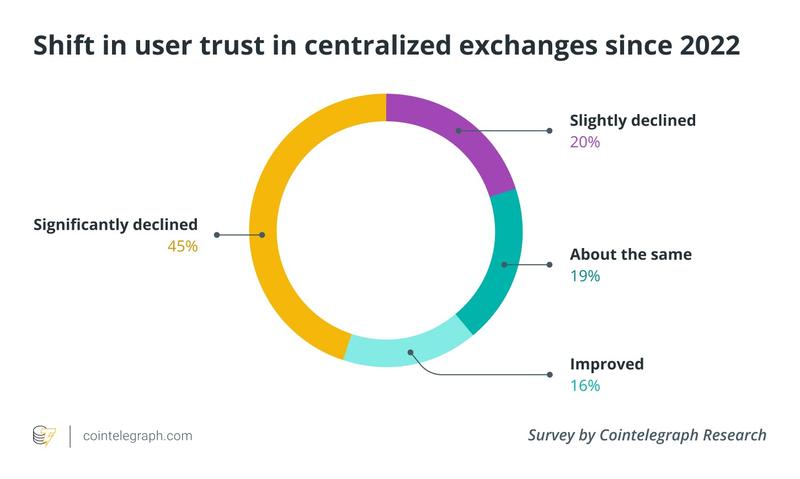
The collected survey information reveals a significant deterioration in confidence toward centralized cryptocurrency exchanges. The majority of survey participants indicate they place less trust in exchanges compared to twelve months ago, with recollections of the FTX implosion continuing to serve as a major psychological influence. Even comprehensive regulatory structures like MiCA, which enhance custodial supervision, fail to change this fundamental trend. Market participants are progressively acknowledging that access to custodial accounts can be limited or revoked through determinations beyond their influence. The transition toward self-custody has consequently emerged as a strategy for managing risk.
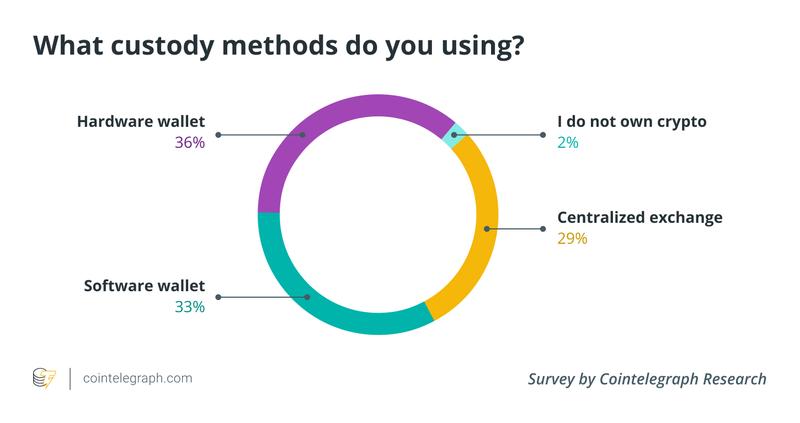
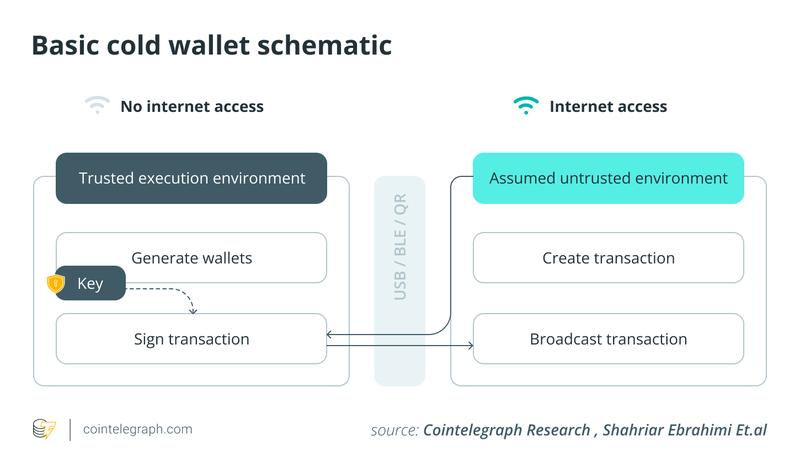
After digital assets transition into self-custody, protection no longer relies on institutional safeguards but instead rests on the individual user's operational rigor. Survey findings indicate that the majority of participants adopt a straightforward architectural approach, though many continue to misapprehend that although hardware wallets substantially decrease the possibility of remote exploitation, they cannot prevent losses stemming from user error.
Consequently, the research redirects attention from hardware selection to behavioral patterns: the methods through which transactions receive verification, the procedures for storing recovery information, and the approaches users employ to evaluate tangible security threats.
The primary finding establishes that transforming ownership into genuine security cannot be accomplished solely through regulatory oversight, brand reputation, or specialized devices. Rather, it represents a behavioral methodology that requires disciplined device utilization and a precise comprehension of the protections custody arrangements do and do not offer.
Read the full report to understand why self-custody is important