Barclays Explores Blockchain Integration for Core Payment and Deposit Services: Report
According to reports, the British banking institution is looking for technology partners to facilitate blockchain-powered payment and deposit solutions amid growing stablecoin momentum in the financial and tech sectors.
British financial powerhouse Barclays is said to be investigating blockchain technology for fundamental banking operations, marking another indication that leading financial institutions are assessing distributed ledger infrastructure as a means to upgrade outdated systems.
According to sources with knowledge of the situation, Bloomberg disclosed on Friday that Barclays is currently searching for technology vendors to build a blockchain platform with the capability to process payments, deposits and cryptocurrency-related services including stablecoins and tokenized deposits.
The financial institution has distributed information requests to multiple technology providers, although the specific companies were not disclosed. According to the report, a vendor could potentially be chosen as soon as April.

This development would be consistent with Barclays' latest moves within the digital asset sector. As previously covered by Cointelegraph last month, the financial institution completed its inaugural stablecoin-focused investment through Ubyx, a stablecoin clearing platform based in the United States, demonstrating an expanding appetite for tokenized payment infrastructure.
Additional reports have indicated that Barclays could potentially participate in a prospective initial public offering by cryptocurrency hardware manufacturer Ledger, although such participation remains unverified.
Banks and Big Tech accelerate stablecoin push
Bloomberg positioned Barclays' rumored blockchain exploration as part of a wider movement by financial institutions and tech giants to assess stablecoins, which facilitate quicker, more cost-effective and continuous settlement compared to conventional payment infrastructure.
Appetite for stablecoins has intensified as institutions investigate tokenized deposits and blockchain-based payment platforms that have the potential to optimize international transfers and diminish dependence on intermediary parties.
This transformation extends beyond banking institutions. Meta Platforms is said to be reconsidering its stablecoin strategy several years following the discontinuation of its prominent Diem initiative, indicating revived interest from Big Tech in blockchain-powered payment solutions.
For conventional financial institutions like Barclays, stablecoins represent simultaneously a strategic opportunity and a competitive threat. Should they achieve widespread adoption, privately created digital dollars have the potential to erode banks' dominance over deposits and payment mechanisms, two fundamental components of their operational framework.
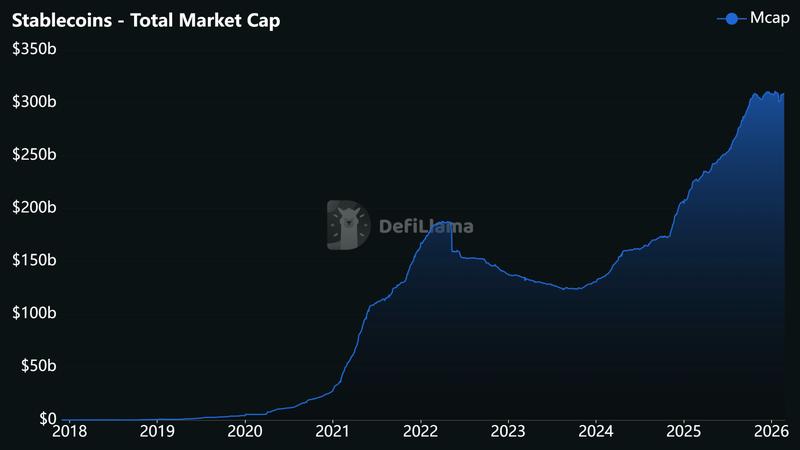
This discussion carries particular significance in the United States, where legislative bodies are currently considering market structure and stablecoin regulatory frameworks, including deliberations regarding whether issuers should have permission to provide rewards.
Even in the absence of yield-generating capabilities, widespread stablecoin implementation could redirect liquidity from conventional bank deposits toward tokenized options.