
Trump's Tariff Policies Face Sharp Criticism from US Legislators Over Economic Impact
Critics of Trump's approach argue that the tariffs function merely as financial burdens on American consumers and businesses without delivering any economic advantages.
Critical responses from US legislators, think tanks based in Washington, DC, and legal professionals have emerged following the tariff measures implemented by President Donald Trump, including a 10% universal tariff that Trump revealed on Friday.
Senator Rand Paul from the United States described the Trump tariffs as imposing a tax burden on "working families and small businesses," framing them as having an overall detrimental effect on the nation's economy.
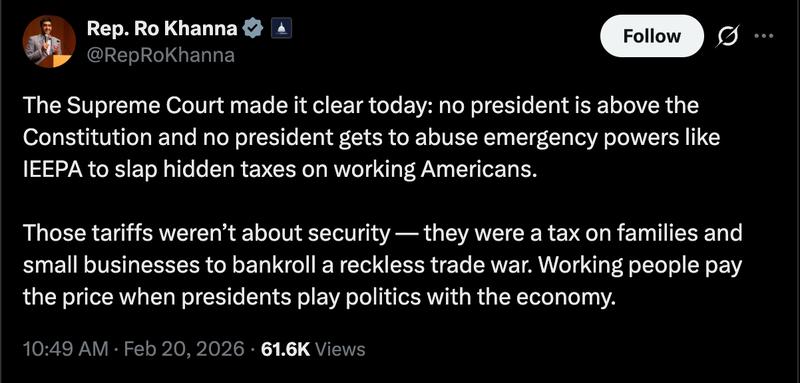
"Those tariffs weren't about security — they were a tax on families and small businesses to bankroll a reckless trade war," US Congressperson Ro Khanna said.
The US Supreme Court (SCOTUS) delivered a ruling on Friday that removed Trump's authorization to implement tariffs through the IEEPA, prompting Trump to unveil fresh 10% universal tariffs in response to the decision.
Criticism of the tariff measures also came from Scott Lincicome, who serves as Vice President of Cato's Herbert A. Stiefel Center for Trade Policy Studies, a Washington DC-based think tank. In statements provided to Cointelegraph, he commented:
"Even without IEEPA, other US laws and the Trump administration's repeated promises all but ensure that much higher tariffs will remain the norm, damaging the economy and foreign relations in the process."
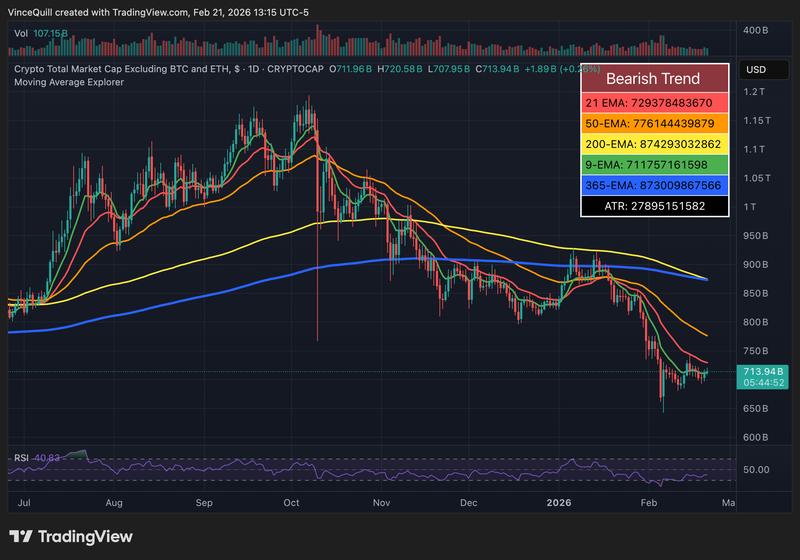
Historically, Trump's tariff implementations have exerted negative pressure on cryptocurrency markets along with other risk-oriented assets. Nevertheless, cryptocurrency valuations demonstrated relative stability during this latest tariff announcement, with the price of Bitcoin (BTC) experiencing an approximately 3% increase following the news.
Trump unveils additional 10% tariff measure, though pro-crypto legal expert highlights limited legal authority
"Effective immediately, all national security tariffs, Section 232, and existing Section 301 tariffs, remain in place, and in full force and effect. Today, I will sign an order to impose a 10% global tariff," Trump announced on Friday.
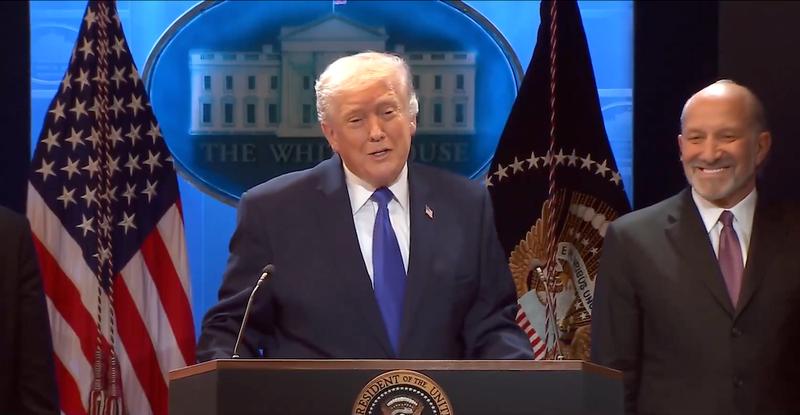
Trump clarified that the newly announced 10% universal tariff would be layered on top of tariff rates currently in effect. Nevertheless, according to pro-crypto attorney Adam Cochran, the legal frameworks Trump referenced have constrained parameters.
"The law he is using only allows this to be on countries we have a deficit with, for a set period of 150 days, and at a capped percent," he said.