
Trump unveils 10% worldwide tariff in response to Supreme Court decision
On Friday, the United States Supreme Court determined that President Donald Trump lacked the authority to impose tariffs using national emergency powers in times of peace.
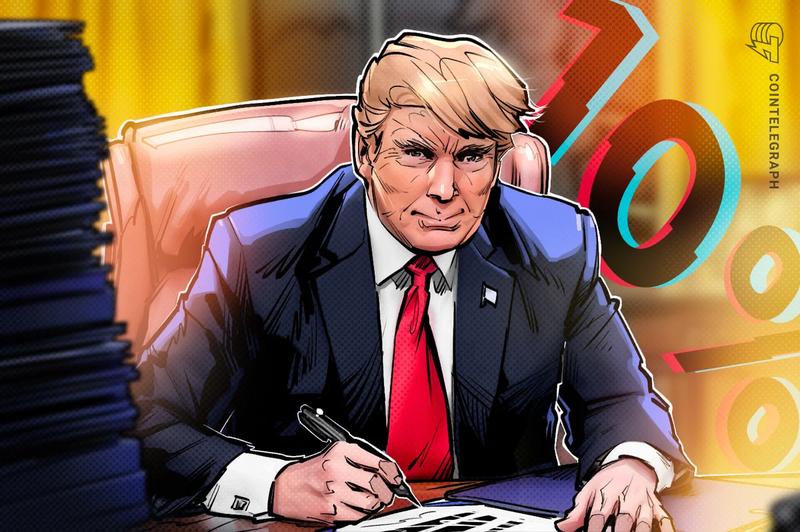
Following the Supreme Court's Friday ruling that invalidated his power to impose tariffs through the International Emergency Economic Powers Act (IEEPA), United States President Donald Trump declared a 10% worldwide tariff on all imported goods.
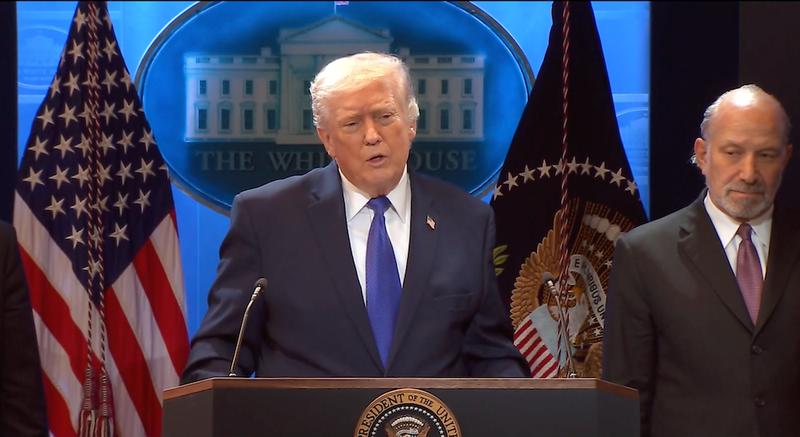
During Friday's press conference, Trump harshly criticized the Supreme Court's ruling, characterizing the decision as "ridiculous," while announcing his intention to implement the tariffs through alternative legal frameworks, such as the Trade Expansion Act of 1962 and the Trade Act of 1974. In his statement, Trump declared:
"Effective immediately. All national security tariffs under Section 232 and Section 301 tariffs remain fully in place. And in full force and effect. Today, I will sign an order to impose a 10% Global tariff under Section 122 over and above our normal tariffs already being charged."
The tariffs imposed by Trump have consistently triggered significant declines in markets classified as high risk, such as cryptocurrency and stock markets, since the prospect of tariffs creates uncertainty and undermines investor confidence in these sectors.
Supreme Court invalidates Trump's power to impose tariffs through emergency authority
Under the IEEPA, Trump had imposed a 25% tariff on the majority of imports from Canada and Mexico, along with a 10% tariff on Chinese goods, characterizing these measures as responses to threats against national security.
According to Trump, the flow of illegal drugs from international sources had generated a "public health crisis," while he also claimed that trade imbalances with China posed a threat to the United States' industrial manufacturing capabilities.
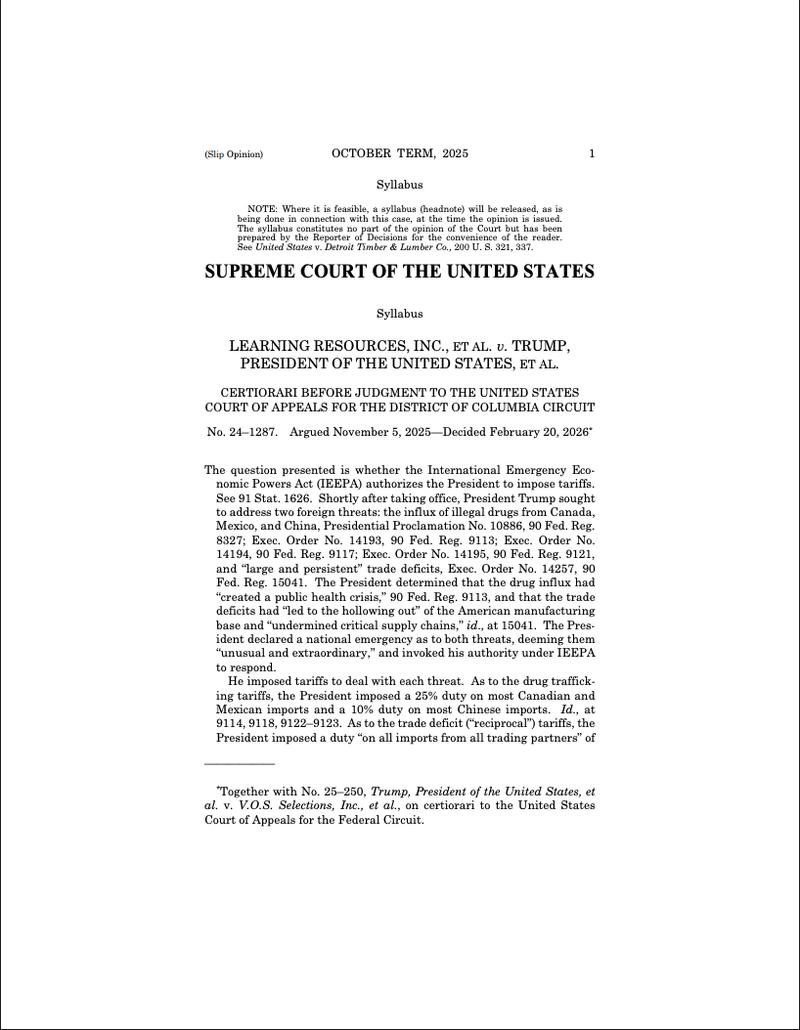
The Supreme Court, however, dismissed both justifications as valid national security threats warranting action under the IEEPA, determining that the Executive Branch lacks the constitutional authority to impose tariffs through the IEEPA when the nation is not at war.
The ruling stated that "In IEEPA's half-century of existence, no president has invoked the statute to impose any tariffs, let alone tariffs of this magnitude and scope."
In Friday's decision, the Supreme Court ruled that "Article I, Section 8, of the Constitution specifies that 'The Congress shall have Power To lay and collect Taxes, Duties, Imposts and Excises.' The Framers recognized the unique importance of this taxing power."