
Researchers warn Australia risks losing out on $17B cryptocurrency opportunity
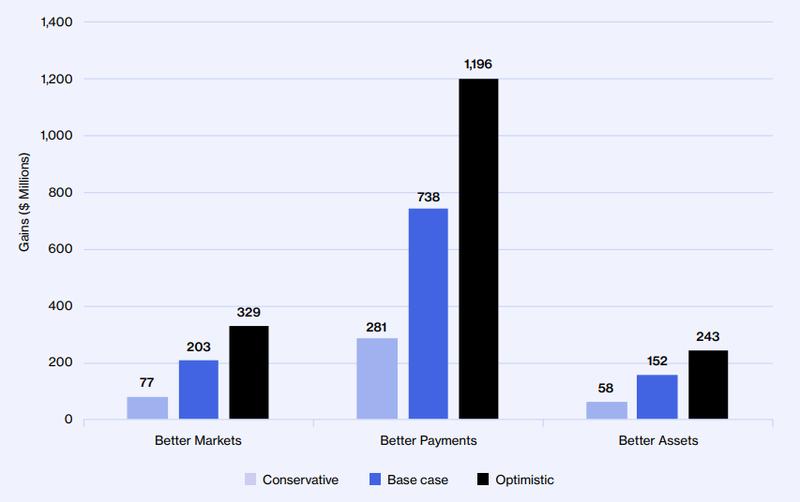
Without significant policy shifts, Australia stands to capture merely $710 million in yearly economic benefits from cryptocurrency by 2030, according to findings from the Digital Finance Cooperative Research Centre.

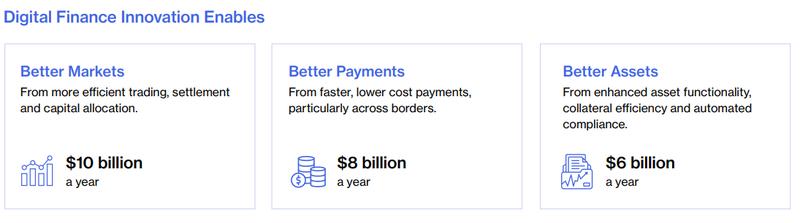
According to a fresh study from a domestic fintech research organization, Australia has the potential to generate 24 billion Australian dollars ($17 billion) each year through developments in tokenized markets and digital assets, though this hinges on legislators taking action on regulatory frameworks.
The Digital Finance Cooperative Research Centre (DFCRC) released a report on Monday entitled "Unlocking Australia's $24b Digital Finance Opportunity," identifying regulatory ambiguity, coordination difficulties and restricted pathways for scaling pilot initiatives as the primary obstacles confronting the sector.
The DFCRC proposed that one approach to tackle these deficiencies would involve creating a sandbox environment for experimenting with emerging technology, including tokenized financial market applications. According to the organization, this would foster continuous cooperation between regulatory bodies and industry players while enhancing licensing structures.
The research organization further recommended introducing tokenized government bonds and a wholesale central bank digital currency (CBDC) within the sandbox environment to support the growth of tokenized markets, collateralized lending operations, and associated financial services.
The report from DFCRC was developed in partnership with the Digital Economy Council of Australia and received funding from cryptocurrency exchange OKX.
Enhanced markets, payment systems and asset structures hold the answer
According to DFCRC projections, billions in annual value could stem from markets featuring expanded investor accessibility, enhanced liquidity depth and elevated market participation levels, yielding additional profits from trading activities.
Simultaneously, digital money in tokenized form, including stablecoins and CBDCs, has the potential to optimize both international and local transactions, generating value by diminishing dependence on correspondent banking institutions, which impose substantial fees.
The tokenization process will generate assets featuring enhanced transparency, usability, and adaptability, potentially boosting their practical value and enabling direct integration "within automated trading, lending, and collateral-management systems," the report indicates.
Nearly half of the asset-related economic gains arise from enabling collateralized lending, repo, and invoice financing markets on tokenized rails, where smart contracts automate collateral management, margining, and settlement.
Absence of improved regulation means forfeiting the $17 billion opportunity
Kate Cooper, the CEO of crypto exchange OKX, stated that lacking improved regulatory frameworks, the projected economic benefits will prove considerably smaller throughout the coming years.
Based on present trends, and in the absence of meaningful industry-wide transformations, DFCRC projects that Australia will capture a mere 1 billion Australian dollars ($710 million) in economic benefits from crypto by 2030.
Long-term economic benefits will only be realised through clear regulatory frameworks and infrastructure built to institutional standards. That is how Australia strengthens trust, attracts capital and secures its place in the next era of global finance.
Kate Cooper, CEO of OKX