
Circle Accused of Improperly Blocking Exchange Wallets, Says ZachXBT
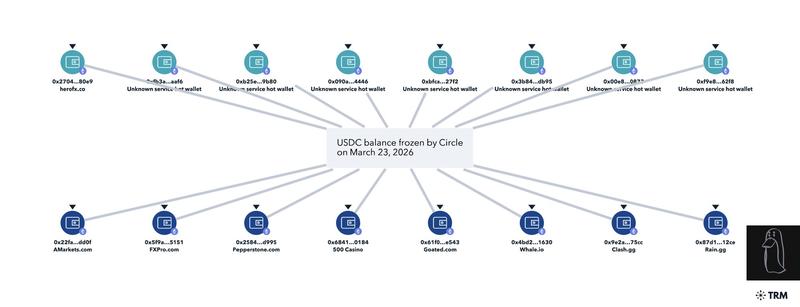
Blockchain investigator ZachXBT alleges that Circle improperly blocked 16 USDC wallets following orders from a federal judge in the United States.

Circle, the issuer behind the USDC (USDC) stablecoin pegged to the US dollar, has improperly frozen 16 digital wallets as part of an active civil lawsuit in the United States, according to blockchain investigator and security expert ZachXBT.
According to ZachXBT, the affected wallets were owned by cryptocurrency trading platforms, internet gambling sites, and foreign exchange service providers, which "do not appear related at all."
"Any analyst equipped with basic analytical tools could have determined, in a matter of minutes, that these were active business wallets based on the thousands of transactions they handle," he stated.

In an additional post on social media, the blockchain investigator noted that the legal proceeding is "sealed," and that Circle possessed "zero basis" for freezing the dollar-backed tokens. He further stated:
"In my 5-plus years of investigations, it could potentially be the single most incompetent freeze I have seen. This is what happens when you outsource your freezing decisions to literally any random federal judge instead of having a process."
Cointelegraph reached out to Circle for a statement regarding these allegations but had not received a response at the time of publication.
The ability of centralized stablecoins to be frozen by their issuers contradicts the fundamental value proposition of digital currencies as permissionless and censorship-resistant financial instruments, according to critics of this technology.
Industry leaders caution that regulated stablecoins could pave way for CBDCs
"This serves as your 10th reminder that centrally issued stablecoins are not truly yours; they are subject to freezing, unlike physical cash," stated Mert Mumtaz, founder of remote procedure call (RPC) node provider Helius, commenting on the USDC wallet freezing incident.
Jean Rausis, co-founder of Smardex, a decentralized exchange platform, suggested that elements within the GENIUS stablecoin regulatory framework established the foundation for a privately controlled central bank digital currency (CBDC) to develop.
According to his assessment, centralized stablecoins essentially grant the issuing entity the identical financial monitoring and asset freezing powers that a conventional CBDC would offer.
Former United States congresswoman Marjorie Taylor Greene expressed similar concerns to Rausis's warning in May 2025, contending that regulated stablecoins governed by the GENIUS bill represent a "CBDC Trojan Horse."