Kaiko Partnership Brings Bloomberg's Financial Data Infrastructure to $25B Tokenized Asset Ecosystem
Through a strategic collaboration with Kaiko, Bloomberg plans to integrate licensed financial data natively into blockchain systems, with initial focus on institutional markets for tokenized Treasury securities and repurchase agreements.
In a strategic partnership with Kaiko, the Paris-headquartered digital asset data provider, Bloomberg is working to deliver its licensed financial data directly into blockchain-based systems, moving beyond conventional offchain database architectures.
According to a Thursday announcement from both firms, this strategic move is intended to tackle the problem of fragmented and inconsistent data that plagues tokenized market infrastructure.
Across numerous tokenized asset platforms, different organizations frequently operate with varying iterations of pricing information, security identification systems or foundational reference data, which elevates the potential for mismatches and creates operational bottlenecks.
Through the deployment of a standardized, licensed data repository embedded directly onchain, this partnership seeks to guarantee that all market participants work from identical datasets, which could minimize reconciliation conflicts and enhance overall data accuracy.
The initial implementation concentrates on tokenized US Treasurys and repo markets functioning on the Canton Network, a permissioned blockchain infrastructure built specifically for institutional financial use cases. Kaiko introduced this onchain data integration service in August.
The solution is designed for banks, investment managers and other compliance-regulated financial organizations exploring blockchain-enabled iterations of conventional financial products, as opposed to individual cryptocurrency market participants.
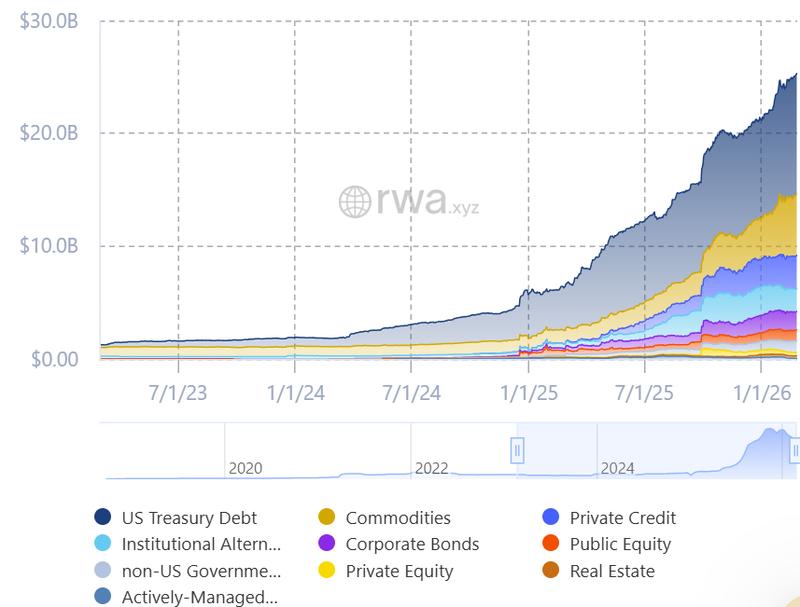
Concerns regarding data accuracy and actual market capitalization in tokenized real-world assets (RWAs) have emerged previously.
During a May interview with Cointelegraph, Chris Yin, co-founder of RWA platform Plume, suggested that the tokenized asset marketplace might be considerably smaller than numbers published by certain industry data aggregators. During that conversation, Yin indicated the sector's true valuation was probably around half of what prominent data providers were claiming.
Why data integrity matters for tokenized markets
Ambre Soubiran, CEO of Kaiko, emphasized that institutional-quality data serves as a fundamental requirement for properly functioning financial marketplaces, noting that the partnership with Bloomberg "will extend the availability of market data used in traditional markets to now support the next generation of tokenized securities infrastructure."
Kaiko broadened its reach within the digital asset data industry through its 2024 purchase of Vinter, a European cryptocurrency index provider, bolstering its capabilities in regulated benchmark and indexing services throughout Europe.
Dependable data has consistently remained a critical focus in the digital asset ecosystem, where market stakeholders have depended not just on pricing feeds but additionally on blockchain analytics and market sentiment metrics to enhance operational transparency.
Within tokenized marketplaces, especially those connected to real-world assets such as Treasurys, uniform pricing information and standardized reference data contribute to ensuring that blockchain-based assets properly reflect the fundamental financial products they represent.