Effective Risk Management Is Essential For Building Trust In Decentralized Finance
The interconnected nature of protocols amplifies the potential for system-wide failures. Decentralized finance requires structures similar to clearinghouses and standardized, transparent risk reporting frameworks.
Opinion by: Robert Schmitt, founder and co-CEO at Cork
The decentralized finance sector has now transitioned into a phase dominated by institutional involvement. With major investors beginning to explore cryptocurrency ETFs and digital asset treasuries (DATs), the landscape is progressively transforming into a financial infrastructure worthy of institutional participation, complete with innovative financial products and blockchain-based versions of traditional instruments.
The expansion DeFi is currently experiencing reveals increasing vulnerabilities that threaten to undermine confidence. To enable institutions to participate with assurance, the sector must adopt more robust risk management frameworks and build more dependable infrastructure.
Examining the primary zones where risk accumulates, understanding how traditional finance addresses comparable issues, and identifying the protective measures DeFi requires to securely expand institutional involvement are all worthwhile endeavors.
Breaking down DeFi's biggest risk
Protocol risk presents the first major concern. The composable nature of DeFi serves as both its greatest asset and its fundamental vulnerability. The interconnection among LSTs, lending platforms and perpetuals creates heightened systemic interdependence. When a single security breach occurs, it can trigger a domino effect throughout multiple protocols.
Next comes reflexivity risk, where staking derivatives combined with looping mechanisms generate self-reinforcing cycles that amplify volatility in markets. During upward price movements, the value of collateral grows and borrowing capacity expands.
During downward price movements, though, forced liquidations gain momentum in an identical fashion, absent any coordinated mechanisms to halt trading.
Finally, duration risk emerges as lending platforms and staking services evolve and may prove increasingly significant, considering the requirement for reliable liquidity access. Institutional participants must comprehend the various duration risks inherent in the markets where they operate. Many remain unaware that the publicized withdrawal periods for numerous protocols are actually contingent upon solver economics, strategy lockup periods and validator processing backlogs.
The institutional supercycle
The upcoming obstacle for DeFi extends beyond generating superior returns or achieving greater TVL. Building credibility represents DeFi's foremost challenge. To attract the subsequent trillion dollars in institutional funds to blockchain networks, the ecosystem requires uniform risk protection standards and enhanced discipline surrounding risk oversight.
Institutional acceptance has characterized the previous two years within the DeFi space. Products designed for regulated institutional investors have captured substantial TVL. Among the 1,600 ETFs launched over the last two years, BlackRock's iShares BTC and ETH ETFs emerged as the two most prosperous. Capital inflows into ETH ETFs are experiencing exponential growth.
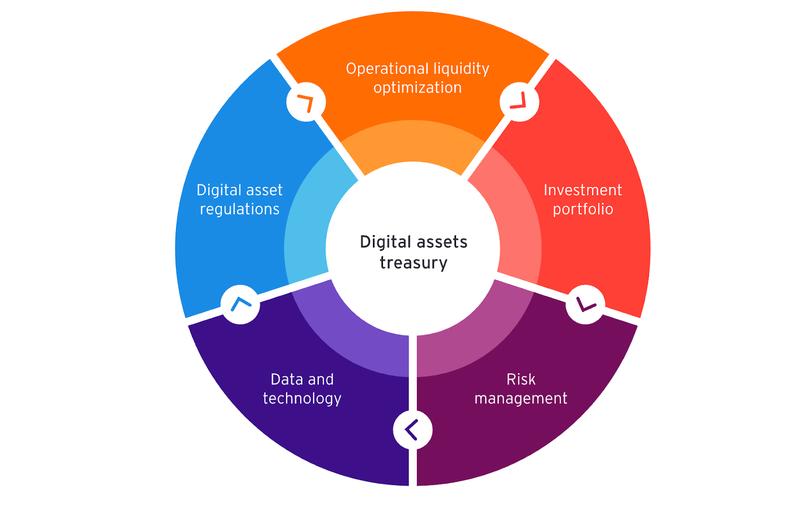
Similarly, companies focused on digital asset treasury services are drawing capital from institutional sources. In recent times, ETH DATs have accumulated approximately 2.5 percent of the ETH supply. The most prominent DAT, Bitmine Immersion, with Wall Street legend Tom Lee as chairperson, has amassed over $9 billion of ETH in less than two months, fueled by institutional appetite for ETH exposure.
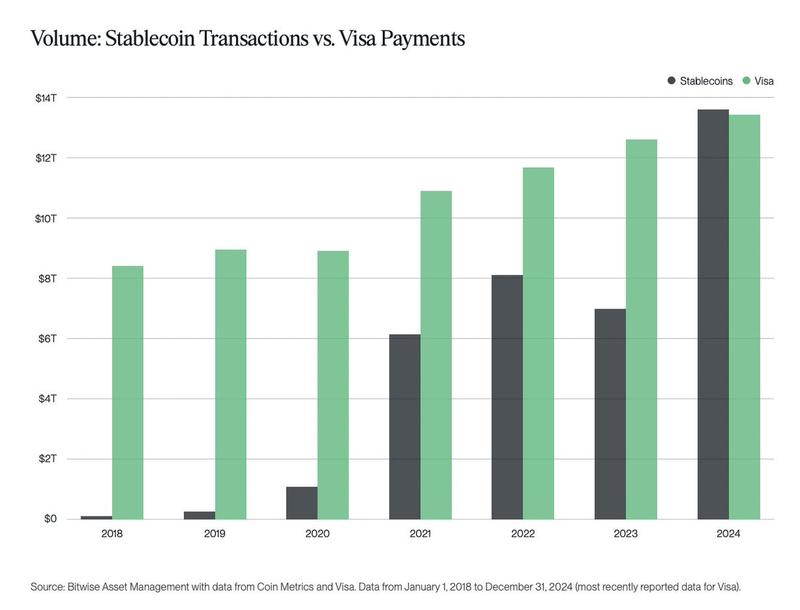
Stablecoins have emerged as the cryptocurrency sector's most compelling use case alongside fresh regulatory frameworks. These digital currencies now facilitate transaction volumes approaching those of Visa monthly, while their total value locked (TVL) throughout various protocols nears $300 billion.
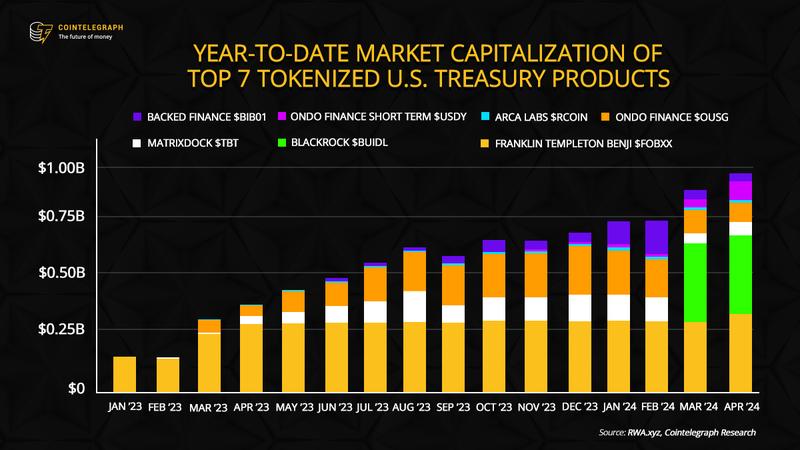
In the same vein, tokenization as a concept has accelerated in adoption, demonstrated by the swift expansion of tokenized Real World Assets (RWAs). Leading financial institutions are creating tokenized offerings, such as Robinhood Europe, which is tokenizing its entire stock exchange, and BlackRock, which is tokenizing its T-bill BUIDL product.
The expansion of both stablecoins and RWA tokenization fuels the perspective that Ethereum will host the financial infrastructure of tomorrow. This outlook, consequently, is accelerating institutional participation through ETFs and DATs.
The case for standardized risk management
Based on a recent analysis published by Paradigm, expenses related to risk management rank as the second-largest cost category within institutional finance. The reason is that risk management is appropriately recognized as a fundamental operational component that transcends mere regulatory compliance. Although traditional finance has not succeeded in removing risk entirely, it has undoubtedly structured risk management to the maximum possible degree.
By comparison, DeFi approaches risk as something that fluctuates between individual protocols. Every smart contract, vault and investment strategy conceptualizes and communicates risk in its own way — when such information is provided at all. This produces inconsistent risk management practices and prevents meaningful comparison across different protocols.
Traditional finance has established common frameworks, including clearinghouses and credit rating organizations, along with uniform disclosure standards, to manage these categories of risks and their conventional equivalents. DeFi requires its own iterations of these institutional structures: transparent, verifiable and compatible standards for measuring and communicating risk information.
DeFi need not sacrifice innovation to evolve into a more developed ecosystem, though it would certainly gain from establishing formal structures around it. The existing risk framework implemented by DeFi protocols will prove inadequate going forward.
Should we remain committed to achieving the subsequent phase of institutional acceptance, though, we can adopt the risk management methodologies developed for financial products in traditional finance.
Opinion by: Robert Schmitt, founder and co-CEO at Cork.