Bithumb's $43B Bitcoin Mistake Triggers Regulatory Storm in South Korea
South Korea's Financial Services Commission faces harsh criticism from legislators following Bithumb's erroneous distribution of 620,000 BTC and subsequent investigation setbacks.

Financial regulators in South Korea are facing mounting criticism from lawmakers following a significant error at cryptocurrency exchange Bithumb, where customers were mistakenly allocated Bitcoin that the platform never actually possessed. The blunder temporarily triggered a selling frenzy and has reignited concerns regarding regulatory supervision of the nation's rapidly expanding digital currency sector.
According to a Thursday report from The Korea Times, legislators have accused the Financial Services Commission (FSC) of overlooking crucial deficiencies in Bithumb's operational infrastructure, despite conducting no fewer than three separate inspections beginning in 2022.
The incident represents more than just a technical glitch, according to Representative Kang Min-guk from the primary opposition People Power Party, who contends it reveals fundamental vulnerabilities within the cryptocurrency marketplace, highlighting deficiencies in both regulatory frameworks and supervisory mechanisms.
During a promotional campaign conducted on Feb. 6, Bithumb erroneously allocated 2,000 Bitcoin (BTC) to individual users rather than the intended 2,000 Korean won ($1.4), resulting in the distribution of a cumulative 620,000 BTC that existed only as phantom credits on the platform's books.
FSC delays probe into Bithumb, intensifying accusations
The regulatory authority's decision to postpone its examination of Bithumb has amplified lawmakers' disapproval of the FSC. The investigation commenced on Feb. 10, during which FSC representatives stressed their commitment to pursuing "stern legal actions against acts that harm the market order."
Originally scheduled to wrap up the previous Friday, the inquiry has been granted an extension, with regulatory officials now targeting completion by February's conclusion, attributing the delay to requirements for supplementary analysis, as documented by numerous domestic news sources.
Bithumb CEO cites two prior payout incidents
The FSC's examination of Bithumb purportedly encompasses more than just the recent 620,000 BTC mishap, extending to include two comparable occurrences from previous periods.
"There were two previous cases in which coins were mistakenly paid out and later recovered, but the amounts were minimal," Bithumb CEO Lee Jae-won said during an emergency National Assembly session on Feb. 11.
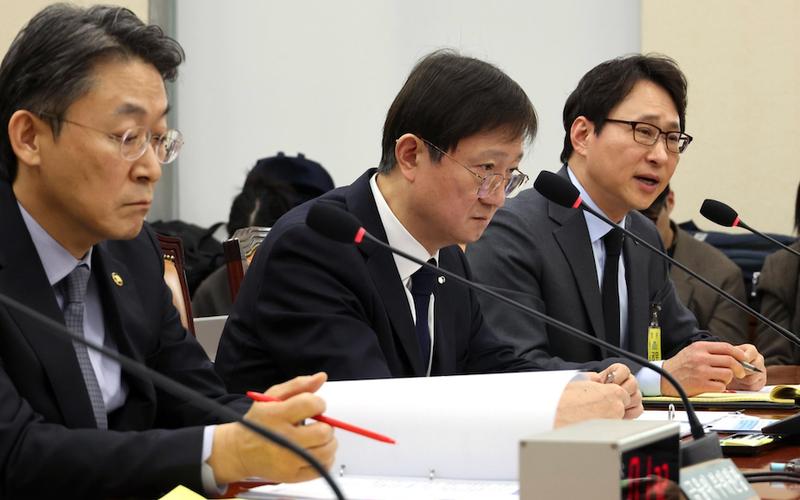
Regarding the most recent occurrence, Bithumb reported successfully retrieving the bulk of the incorrectly allocated digital assets, with merely 125 BTC ($8.6 million) from the phantom pool of 620,000 BTC remaining unaccounted for.
Concerns over South Korea's handling of crypto: The case of the disappearing Bitcoin
The Bithumb episode arrives at a time when regulatory bodies are experiencing fresh humiliation concerning the safekeeping and protection of confiscated cryptocurrency holdings.
During 2021, 22 BTC, presently valued at approximately $1.5 million, went missing from a cold storage wallet maintained at Seoul's Gangnam Police Station while a comprehensive national audit was underway.
A distinct incident from August 2025 witnessed 320 BTC disappearing from the Gwangju District Prosecutors' Office, allegedly stemming from a compromised password. Officials only disclosed yesterday that the complete sum had been retrieved following the hacker's voluntary return of the stolen funds, generating skepticism as the announcement emerges during the active FSS inquiry into Bithumb.
Industry analysts and lawmakers alike assert that these episodes highlight ongoing deficiencies in governmental oversight and the secure custody of cryptocurrency assets.