
UK's 61,000 Bitcoin Seizure Compensation Scheme Faces Legal Challenge from Chinese Fraud Victims: FT
Victims of fraud in the Zhimin Qian investment scheme are challenging a UK High Court compensation proposal for 61,000 confiscated Bitcoin, warning the arrangement could deny them rightful gains from the cryptocurrency's appreciation.

A group of Chinese investment fraud victims is mounting a legal challenge against a United Kingdom compensation proposal that would funnel restitution through a Chinese redress program, contending that such an arrangement could result in UK authorities retaining the majority of appreciation gains from approximately 61,000 Bitcoin confiscated during a money-laundering probe.
As reported by the Financial Times based on court filings, the legal battle has reached the UK High Court where victim advocacy groups are fighting to reclaim assets connected to the confiscated cryptocurrency that London police seized. The Bitcoin (BTC) cache has surged to approximately 3.2 billion pounds ($4.3 billion) in current value following substantial price increases since the authorities initially seized the digital assets.
Legal firm Candey, acting on behalf of approximately 5,700 fraud victims, has expressed concerns that the compensation framework under consideration may fail to ensure equitable restitution. The investment fraud operation itself reportedly victimized upward of 128,000 Chinese investors, as detailed in court documents referenced by the FT.
This legal dispute underscores emerging legal challenges surrounding cryptocurrency confiscations, particularly in situations where digital currencies can experience dramatic value appreciation between the time of seizure and eventual restitution. The matter originated from a Chinese investment fraud operation that operated from 2014 through 2017, defrauding numerous investors before the ill-gotten gains were converted to BTC and transferred internationally.
Prosecutors say claims could exceed losses
According to reports, prosecutors have maintained that certain legal claims in the case could enable a limited group of victims along with litigation funders to receive compensation amounts that surpass their original financial losses.
In court filings, Martin Evans KC, acting as counsel for the Director of Public Prosecutions, argued that the legal claims present a risk of primarily benefiting "a small subset of victims and their litigation funders" at the expense of other victims and the Crown, as reported by the FT.
In response, Candey has mounted a defense of the legal proceedings, asserting that court action provides victims with the optimal opportunity to obtain appropriate compensation, while emphasizing that the firm's legal charges are limited to 18% of any successfully recovered assets.
The court has scheduled a preliminary hearing for July to adjudicate whether English law or Chinese law should apply in determining claims to the confiscated Bitcoin. Additionally, the High Court has established May 22 as the cut-off date for claimants pursuing recovery under Section 281.
Bitcoin seizure linked to London mansion purchase attempt
UK authorities confiscated in excess of 61,000 BTC following a 2018 raid conducted at a London residence connected to Jian Wen, who subsequently received a money laundering conviction, and Zhimin Qian, the orchestrator of the fraudulent scheme, who received a sentence of more than 11 years imprisonment from a UK court in November 2025.
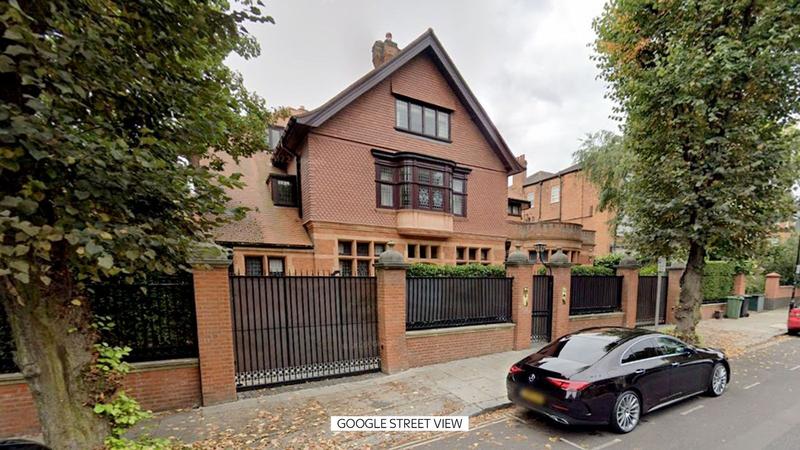
Wen came under scrutiny following her attempt to acquire a high-end London mansion using Bitcoin while being unable to provide a satisfactory explanation regarding the source of the digital currency.
During 2024, those defrauded by the investment scheme reached out to Chinese authorities requesting help in recovering the confiscated Bitcoin holdings.
The confiscated Bitcoin has additionally attracted policy consideration within Britain, with 2025 reports indicating that government officials were examining the possibilities surrounding how and when such cryptocurrency holdings might be liquidated.